Buying8 min read
Near-water versus frontage: running the math on four addresses
Owning shoreline is not the only way to have a lake life. We compared four real sample properties on cost, access and what you give up.
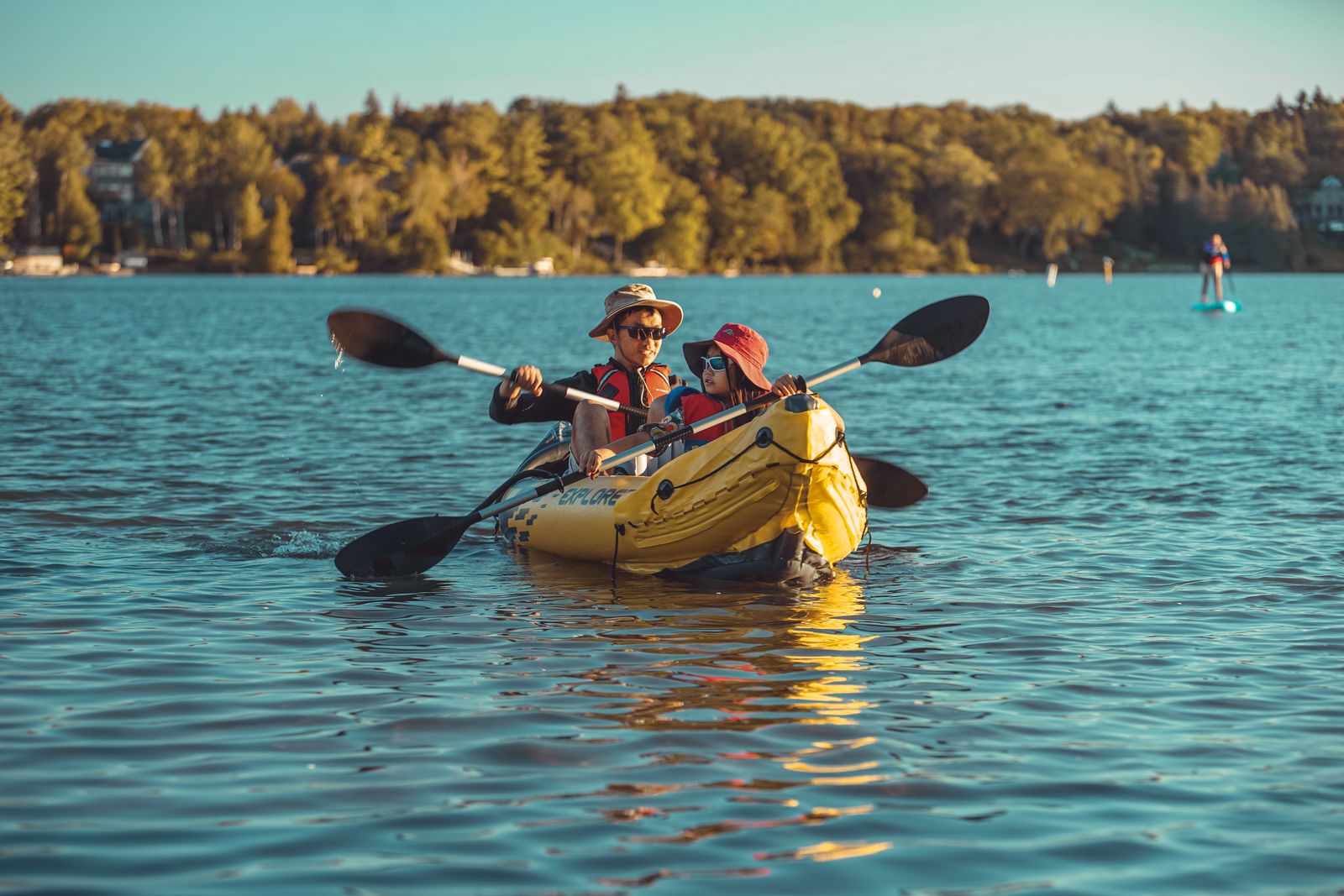
The most useful conversation we have with buyers is usually the one where we stop talking about houses and start talking about weekends. How many times a year will you actually be on the water. Do you want a boat or a paddleboard. Is swimming off your own lawn the point, or is a four-minute walk to a landing fine.
Those answers decide whether you need frontage, and frontage is the most expensive thing on the listing sheet. Here is the comparison on four sample properties from our current book.
The four properties
- Mendota frontage in Maple Bluff: 92 feet, $1,895,000, sample taxes $24,180
- Near-water in Shorewood Hills: two blocks to the village beach, $1,240,000, sample taxes $18,640
- Monona frontage: 60 feet with a sand landing, $865,000, sample taxes $14,320
- Near-water in McFarland: four minutes to the landing, $479,000, sample taxes $7,640
What the gap actually pays for
Between the Maple Bluff frontage and the Shorewood Hills near-water house there is $655,000 of purchase price and about $5,500 a year of tax. What the frontage buys is the thing you cannot replicate: stepping off your own lawn into the water, keeping a boat at your own pier, and the view from every room on the back of the house.
What the near-water house buys is a village beach with a lifeguard, a slip program, a school in the neighborhood and a tax bill that leaves room for other things. For a family that is on the water twenty weekends a year, the second option is frequently the better purchase. For a family that is on the water every evening from May to September, it is not.
The maintenance line nobody models
Frontage carries work. Pier in, pier out, shoreline inspection after ice-out, occasional rip-rap repair, and the slow reality that a boathouse or a set of shore stairs is a structure that ages. Budget a few thousand a year on average and considerably more in the year something needs rebuilding.
Near-water carries almost none of that, which is why some buyers who have owned frontage before deliberately choose it the second time around. We have moved more than one client from a Mendota shoreline house to a Shorewood Hills near-water house and watched them be visibly relieved.
Resale and thinness of market
Frontage has held value well on this chain over the past decade because supply is genuinely fixed. Nobody is manufacturing more shoreline. That said, it is a thin market: fewer buyers, longer average marketing time, and a bigger seasonal swing. Near-water homes in Shorewood Hills, Monona and Middleton trade faster and more predictably in every month of the year.
Frontage is the better asset. Near-water is often the better purchase. Which one is right depends entirely on how many weekends you will really be here.
How to decide
Count the weekends honestly. Then take the price difference between the two options you are weighing and divide it by that number over ten years. For a lot of buyers, the frontage premium works out to something like a thousand dollars per weekend of use, and seeing it that way makes the decision obvious in one direction or the other.
If you want that comparison run on specific addresses you are considering, we will build it. It takes us an hour and it is the single most useful hour in a lake search.